
Product Introduction
Overview

• Battery Energy Storage Systems (BESS) are installations that store and release electricity to support grid reli-ability. They consist of batteries that are able convert electrical energy into chemical energy so that it can be stored. BESS import electricity when the network is generating more than is being used to charge, store it, and then release it when demand is high.
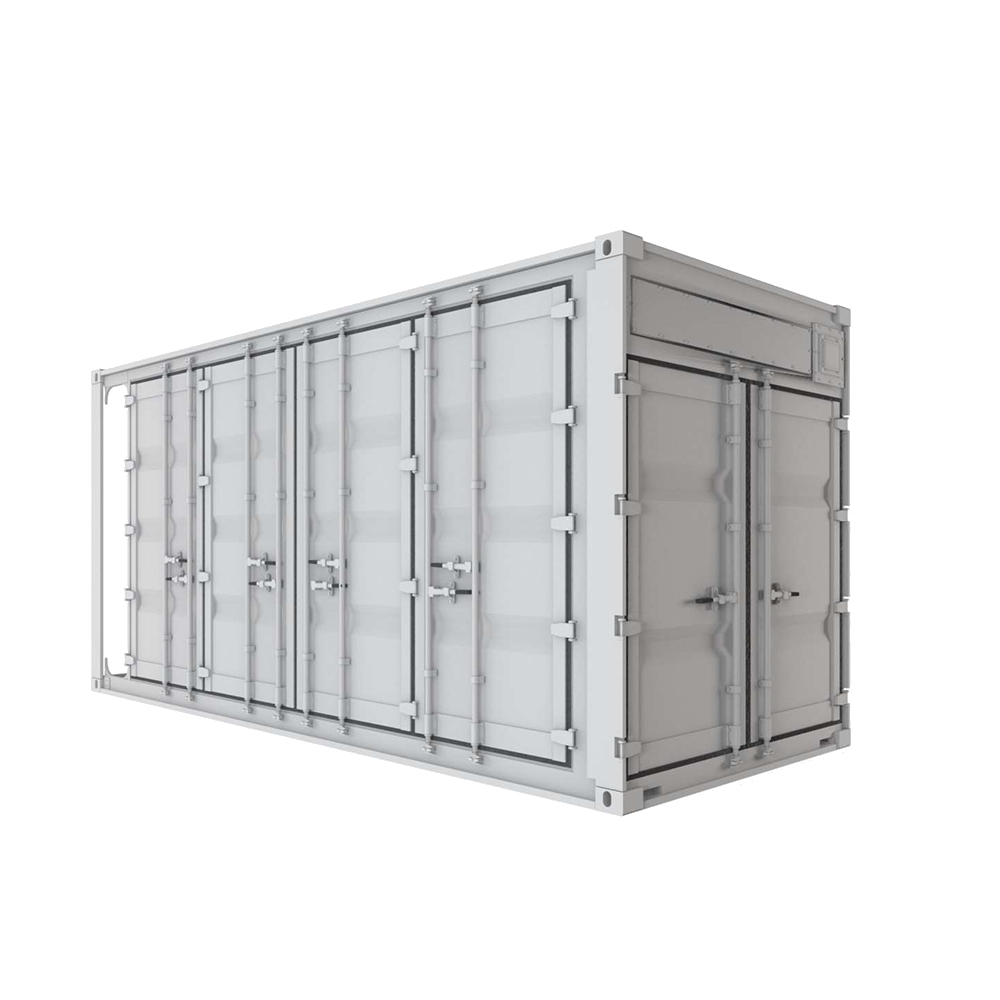
20-ft 5 MWh Liquid-Cooled Energy Storage System

| Product Specifications
| 5016 kWh DC Energy Storage System
|
| Model
| Ycube-5016H
|
| Cell Chemistry
| Lithium Iron Phosphate (LFP)
|
| C-Rate
| ≤0.5P
|
| Rated Energy Capacity
| 5015.96kWh
|
| Nominal Voltage | 1331.2V
|
| Operating Voltage Range
| 1040V~1518.4V
|
| Dimensions (L × W × H)
| 6058*2438*2896mm
|
| Weight | 50t |
| Operating Temperature Range
| Charging: 0 °C to 50 °C / Discharging: –20 °C to 50 °C
|
| Maintenance Method
| Non-walk-in front access maintenance
|
| Maximum Operating Altitude
| ≤4000m
|
| Thermal Management Method
| Liquid cooling
|
| Fire Suppression System
| Heptafluoropropane (HFC-227ea) / Perfluorohexanone (FK-5-1-12) + water-based fire protection
|
| Communication Interfaces
| Ethernet, RS485, CAN
|
| Ethernet, RS485, CAN
| IEC104、IEC61850、Modbus RTU、ModbusTCP
|
| Ingress Protection Rating
| IP54 |
Features
• High Integration Density:20-ft container configuration with energy capacity up to 5.016 MWh
• High Thermal Uniformity:Integrated liquid cooling architecture with temperature deviation ≤ 3 °C
• Low Temperature Rise:Temperature increase < 5 °C
• Extended Service Life: Cycle life ≥ 8000 cycles at 80% SOH
• Reduced Auxiliary Power Consumption: Liquid thermal management design minimizes auxiliary power usage
Islanded Grid–Plant Coordinated Control System
• The system is built on a redundant control architecture and integrates grid-forming energy storage inverters and other core technologies to deliver a unified stability control solution. It provides active grid support, fast power regulation, seamless multi-mode operation switching, and black-start control. With a response time of up to 10 ms, it is especially suitable for stable operation control of microgrids and islanded power systems.

• Energy Management System (EMS): Monitors and manages the entire microgrid system, enabling steady-state grid operation and energy dispatch optimization.
• Coordinated Control System (TEMSC/l):Integrated power synchronization algorithms enable stable grid interaction and dynamic power sharing.
• Grid-Forming Power Conversion System (PCS):Enables bidirectional power flow, actively supports grid operation, and supports seamless switching between multiple operating modes.
• Battery Management System (BMS):Provides cell-level monitoring and implements active safety protection strategies.
National-Level Microgrid Test and Verification Platform


